

If CBD does not create the relief you’re searching for, finding a balance between CBD and THC may be what works best for your individual needs. For many users, finding the right combination of CBD and THC can take time and a little experimentation; that’s because “whole plant” science is still in the early phases of research. In some cases (when THC and CBD are used together), an individual may feel more relief than using them on their own. While THC and CBD can be extracted from cannabis plants independently of one another — they may not be effective as standalone products for each individual’s needs. Of those, 17% suffer from severe pain levels on a daily basis.
THC and CBD potentially offer distinct wellness advantages. Among the most recognized cannabinoids present in cannabis plants are THC ( current research in phytotherapy tetrahydrocannabinol) and CBD (cannabidiol). Users frequently incorporate CBD hemp syrup (available in various flavors), into food and beverages or consume it directly. If you’ve followed along up to this point, you might want to explore this review of the Kush Queen CBD “Love” Bath Bomb. Who doesn’t enjoy a soothing hot bath to unwind after a lengthy workday or a hectic day with children? To completely avoid impairment while still supplementing and experiencing the benefits of CBD throughout your day, full-CBD supplements are the ideal choice.
While both cannabinoids are generally regarded as safe, there may be side effects, particularly when beginning use or consuming higher doses. If you consume too much THC and feel anxious or paranoid, a dose of CBD can help calm you down to a more comfortable state. Even though they must legally contain less than 0.3% THC (consistently taking very high doses could), in theory, lead to detectable levels of this minuscule amount. Our quick guide on CBD and THC tinctures can provide insights into how these ratios manifest in specific products if you’re interested.
If drug tests concern you (if THC doesn’t agree with you well), or if you seek something that won’t cloud your thoughts, opting for CBD may be the wiser choice. For some individuals, a small amount of THC paired with a higher dose of CBD creates the ideal balance between feeling improved and staying clear-headed. Your goals, sensitivities, and the specific cannabis products available will determine whether you use CBD and THC together or separately.
Nevertheless, discussions regarding CBD typically focus on its health and wellness benefits instead of recreational applications. Cannabidiol (abbreviated as CBD), is a cannabinoid derived from cannabis plants that does not induce intoxication. This guide outlines the critical differences between CBD and THC, covering their benefits, applications, safety profiles, legal standings, and more. A significant number of users mix these two compounds to enhance the effects of their cannabis extracts. Minimal amounts of THC will not induce a “high” or intoxication but will enhance CBD and other cannabinoid effects for greater benefits.
A rapidly increasing demographic in medical cannabis programs consists of older adults. It is highly recommended to consult a medical cannabis physician regarding disclosure and documentation. Patients facing drug testing who wish to use CBD should look for broad-spectrum or isolate products that have been verified through third-party testing to ensure they contain no detectable THC.
CBD excels for conditions where you need symptom relief without impairment, including anxiety, inflammation, seizures, and daytime pain management. Traveling internationally with either cannabinoid risks serious legal consequences, even if you’re going between locations where it’s legal. This federal prohibition creates legal complexity where state-legal cannabis businesses operate in violation of federal law, which is typically unenforced. The lack of psychoactivity makes CBD suitable for daytime use — professional environments, driving, and any situation requiring full cognitive function.
CBD Products and Drug Testing
Understanding these differences will empower individuals to make educated choices in leveraging the medical potential of cannabis. By delving into the unique properties and therapeutic potentials of THC and CBD, we can navigate the world of medical cannabis more effectively and make informed decisions about its use. Legal access (local policy), and formulation also matter, so staying informed is just as important as choosing the right product.
CBD is one of the most common phytocannabinoids in cannabis plants. Phytocannabinoids are cannabinoids that are naturally occurring in the cannabis plant. The hemp plant , Cannabis sativa, is a specially cultivated cannabis plant that does not contain more than .3% THC per dry weight. For purposes of control — the federal government has defined the cannabis plant as hemp or non-hemp. CBD is one of the major phytocannabinoids found in the cannabis plant.
Tetrahydrocannabinol (THC) is the most abundant cannabinoid in marijuana, the term for cannabis plants that can get you high. A person should research the laws in their state before acquiring medical cannabis. As with medical cannabis — recreational usage is not legal federally. As a result, it is illegal to use or prescribe medical cannabis in any state that does not have a law allowing people to do so. There is no federal law allowing the legal use of medical cannabis. Many states in North America have approved of people having at least limited use of medical cannabis.
By the conclusion (you will understand when to choose CBD), when to opt for THC, and when to consider a combination of both. The other cannabinoid is available in every gas station (grocery store), and wellness shop across the United States and will not intoxicate you whatsoever. CBD and THC are the two most recognized compounds in cannabis, and also the most commonly misunderstood. Such advantages highlight its potential role as a crucial supplement for overall wellness. CBD-only legislation does not significantly benefit patients, as they need access to a broader spectrum of whole plant cannabis treatments for optimal care. The legal status of CBD within the United States is intricate; although the 2018 Farm Bill legalized industrial hemp (the FDA categorizes CBD as a pharmaceutical drug), prohibiting its sale as a dietary supplement.
Ensure that you are on a federal government website before disclosing any sensitive information. An expanding pool of research consistently suggests that CBD may significantly serve as a natural treatment for various health and wellness concerns. However (the longer you use cannabinoid-containing products), the longer their traces may remain in your bloodstream, lasting up to 25 days. Typically, THC can be detected in your blood for one to two days. Hemp refers to a cannabis plant that contains less than 0.3% THC. Being a psychoactive substance, consuming THC can result in the side effect of a heightened sensation or “high.
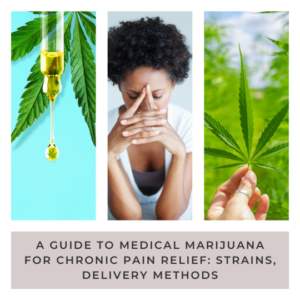
Key Therapeutic Uses and Medical Applications of THC and CBD
Always consult your healthcare provider before combining cannabis products with prescription medications. CBD overdose risk is minimal, though very high doses may cause drowsiness or digestive discomfort. No matter which you choose, Chronic Guru carries a range of lab-tested cannabis products across the full spectrum — from pure CBD to full-spectrum blends. This is why many patients and recreational users prefer products containing both THC and CBD rather than either alone. If you’re subject to testing — use CBD isolate products only.